
© Doğa Derneği
Restoring Nature's balance: The revival of wet meadows in the Gediz Delta
17 June 2026
Nestled within one of Türkiye’s busiest metropolitan areas, the Gediz Delta is among the rarest wetlands of its kind — a thriving natural sanctuary surrounded by an urban landscape. Protected under both national and international conservation agreements, this extraordinary ecosystem is home to thousands of species, including an estimated 10% of the world’s greater flamingo population. Recognized as one of only two critical flamingo breeding grounds in Türkiye, the delta has also recorded over 300 bird species to date — from pelicans and shorebirds to birds of prey — making it one of the most biodiverse wetlands in the entire region.
It is precisely because of this irreplaceable natural wealth that ongoing restoration efforts in the delta carry such urgent importance.
Rehabilitating the Delta’s Wet Meadows
A quiet transformation is taking place in the Gediz Delta, where a series of ecological restoration initiatives are breathing new life into one of the region’s most fragile natural environments.
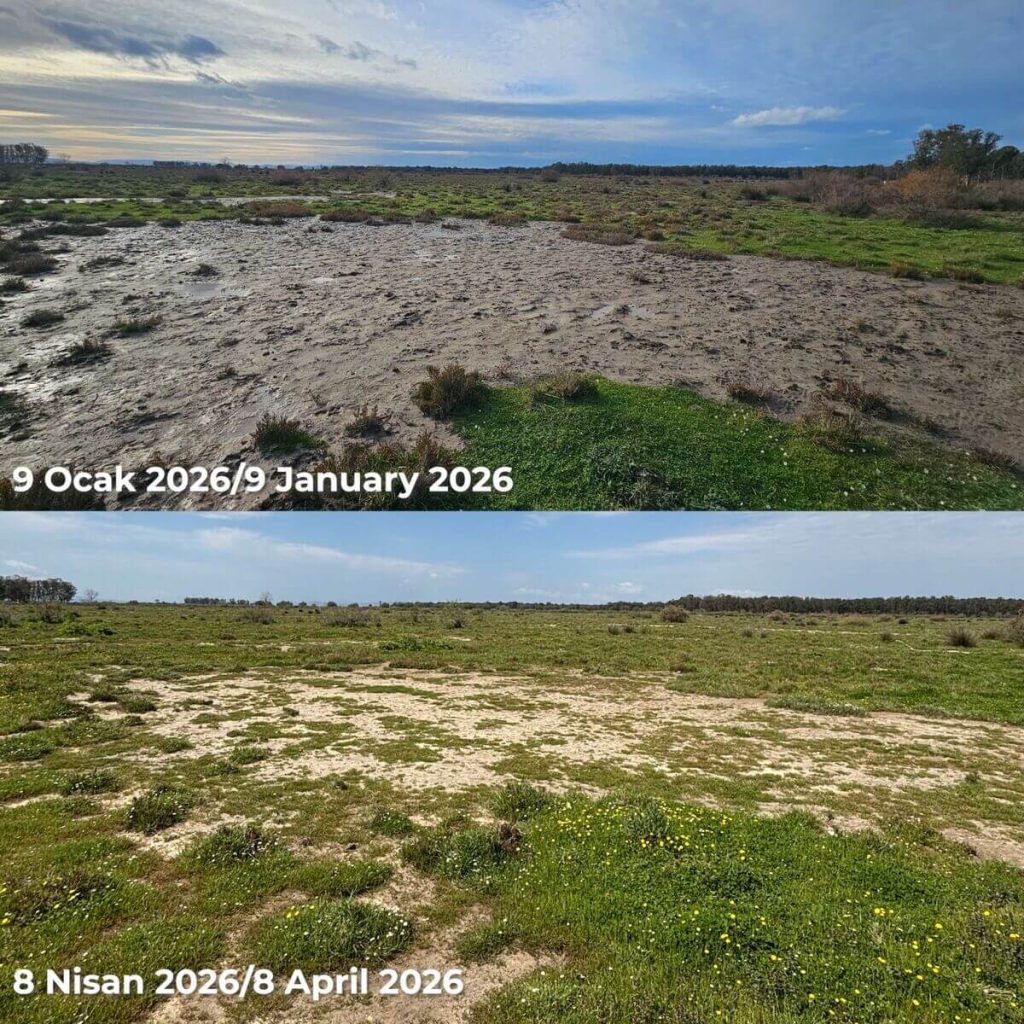
Every winter, seasonal rains give rise to temporary lakes and wet meadows across the delta — vital refuges for a wide variety of waterbirds. Yet these delicate habitats have faced serious threats. Eucalyptus trees, known for their excessive water consumption, have been altering the local water balance and disrupting the natural structure of these wetlands. Compounding the problem, unauthorized vehicle tracks have carved up the landscape, fragmenting habitats and undermining the overall health of the ecosystem.
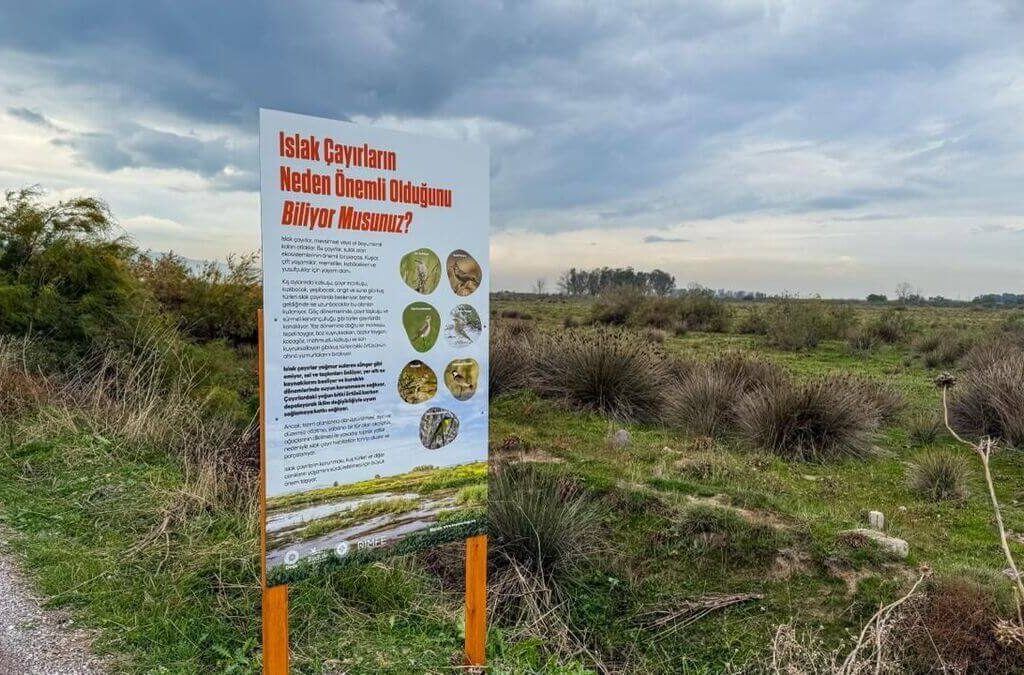
In response, a restoration program has been launched on the ground. Locally sourced, area-specific seeds have been used in sowing and soil-hoeing operations, with ongoing monitoring in place to track the effectiveness of each intervention. Looking ahead, it is also planned to expand vegetation cover through cuttings taken from native Tamarix species found within the delta.
The benefits of this work extend well beyond wildlife. While recovering wet meadows provide crucial nesting and feeding grounds for waterbirds, they also play a meaningful role in the fight against climate change — boosting the delta’s capacity to capture and store carbon.
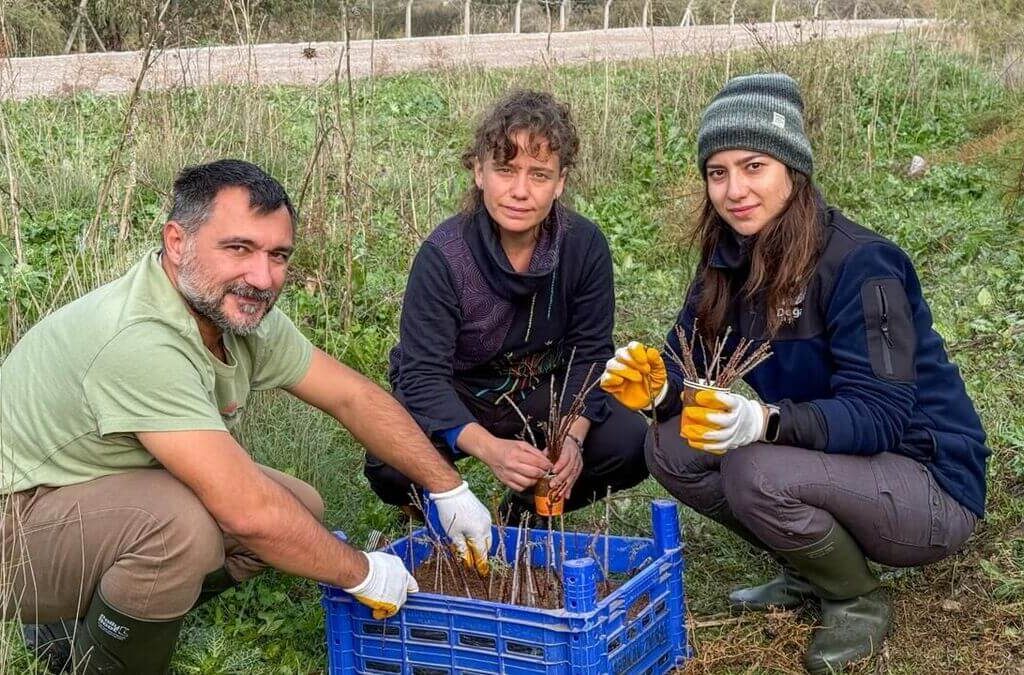
This restoration effort is the result of a close collaboration between Doğa Derneği and İzmir Institute of Technology, made possible through funding from the Donors Initiative for Mediterranean Freshwater Ecosystems (DIMFE).
Monitoring biodiversity
The work in the Gediz Delta doesn’t stop at habitat restoration. Doğa Derneği is actively continuing its reptile, bird, and plant monitoring efforts throughout the delta.
In partnership with Tour du Valat, Doğa Derneği is implementing targeted measures to protect and restore the delta’s unique and fragile environments. These restoration actions are carefully tailored to the specific needs of the delta, and are supported by a new systematic long-term monitoring framework that tracks a wide range of indicators — from wildlife populations to groundwater levels.
A key focus of this work is the documentation of aquatic vegetation in seasonal temporary wetlands. By mapping and studying the flora of these habitats, Doğa Derneği gains critical insights that directly inform and strengthen its broader conservation strategies.
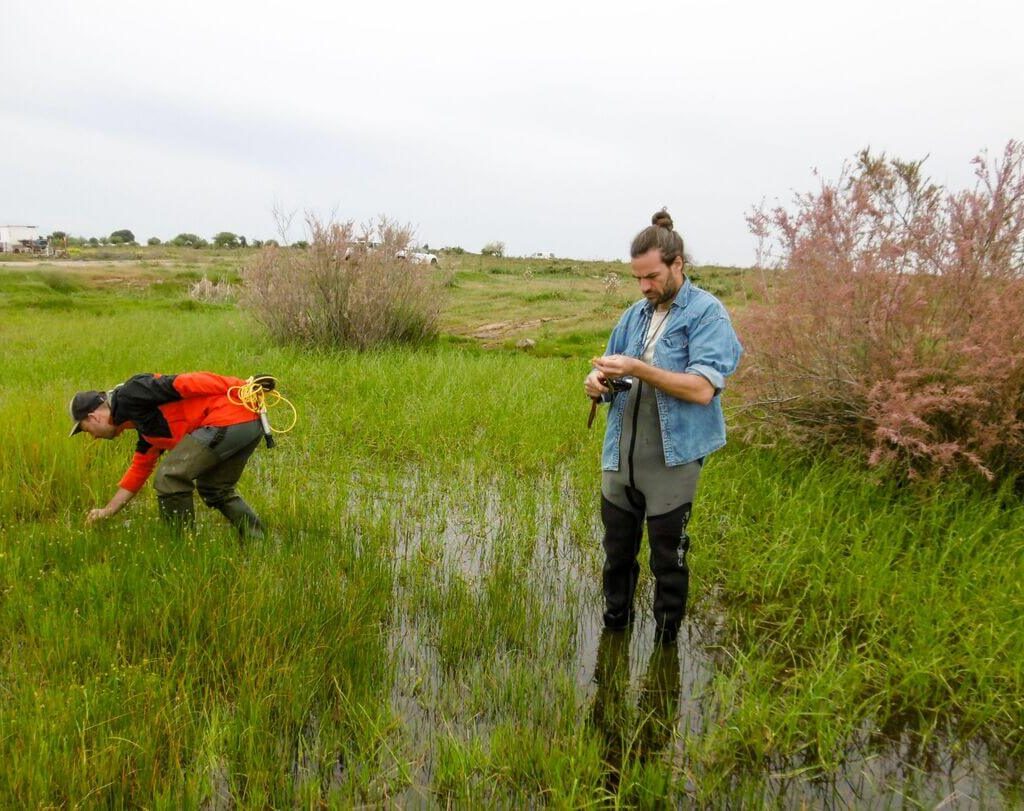
Doğa Derneği has also undertaken the monitoring of dragonflies and damselflies in the Delta and is expanding these efforts across the Delta’s northern and central wetlands. The team has begun developing scientific protocols to systematically track these insects, mapping their habitats and assessing how changes in water levels, vegetation, and habitat structure affect their populations.
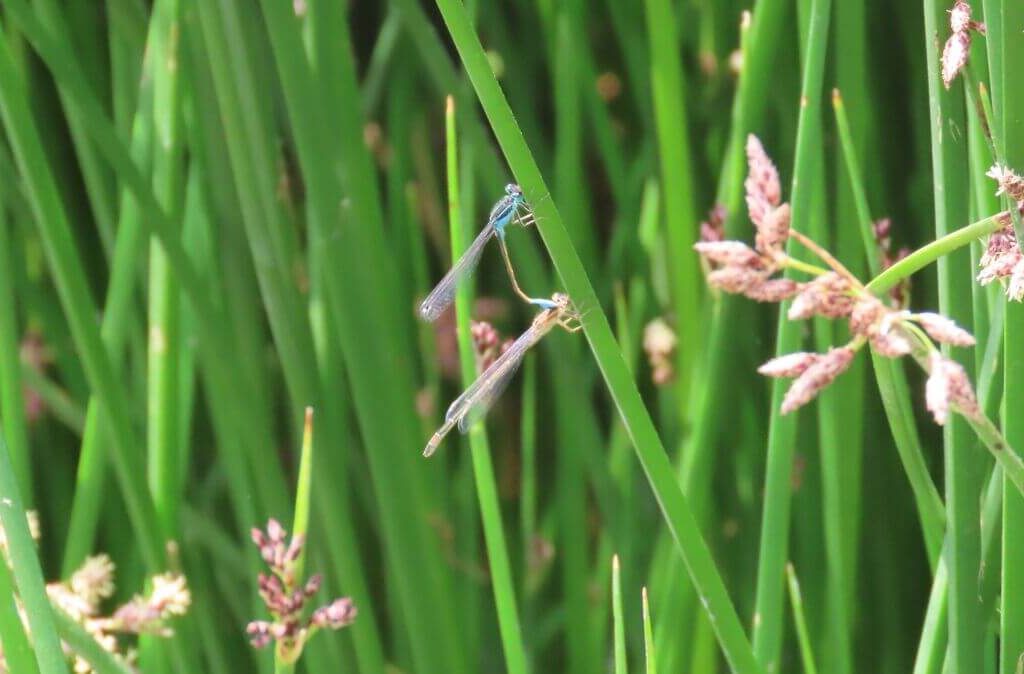
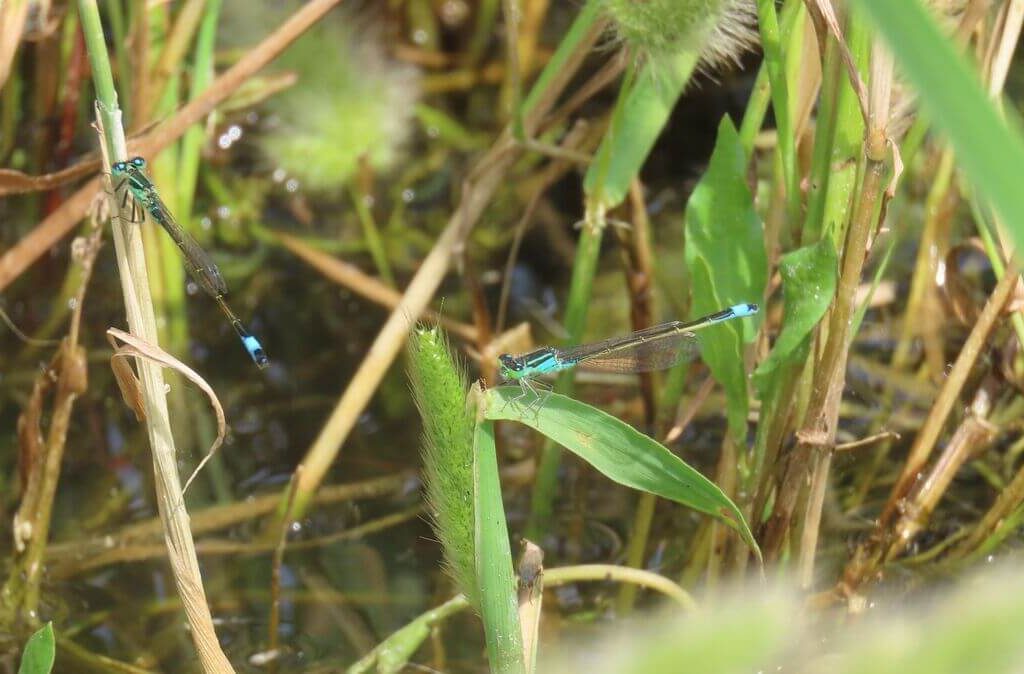
A particularly significant finding was the observation of Lestes macrostigma — a rare species closely associated with temporary wetlands — at multiple sites, with evidence of successful reproduction. As reliable indicators of water quality and ecosystem health, the presence and diversity of these insects provide valuable data to strengthen the delta’s long-term conservation measures.
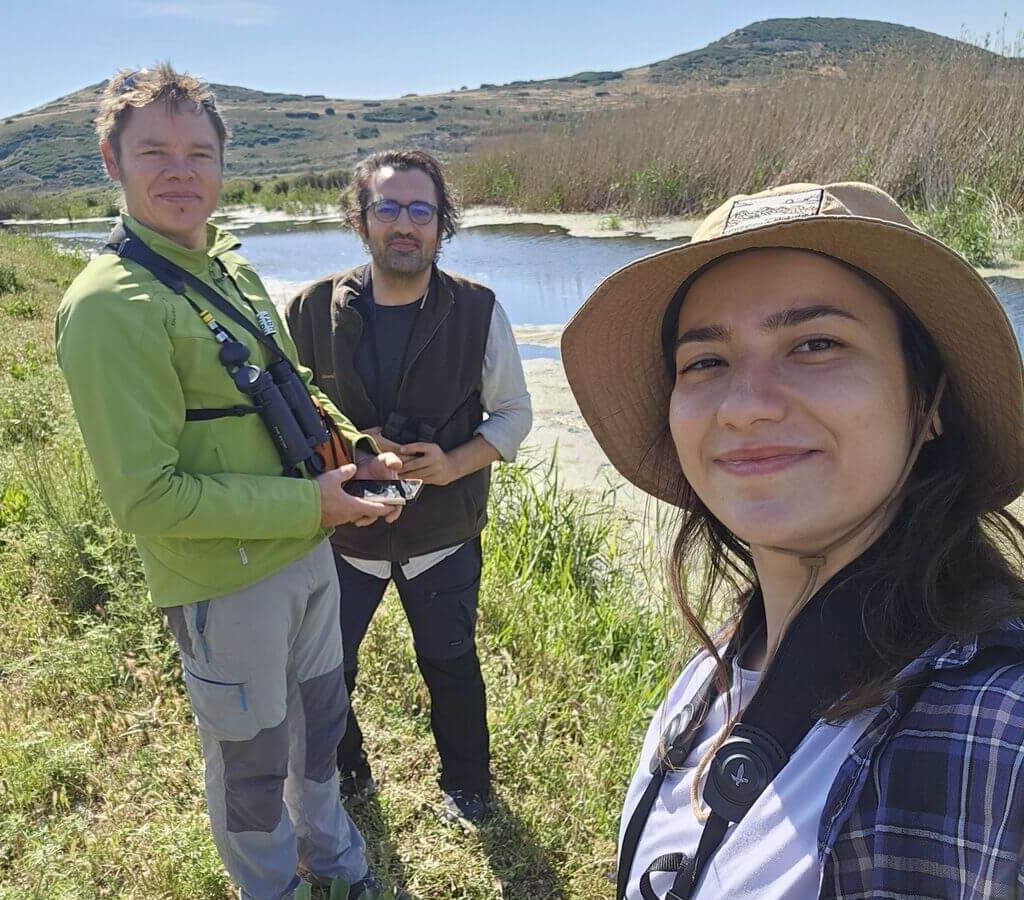
These efforts — from habitat restoration to long-term ecological monitoring — reflect a shared commitment to protecting one of the Mediterranean’s most irreplaceable wetlands. As pressures on the Gediz Delta continue to grow, this science-based, partnership-driven approach offers a meaningful and hopeful path forward for both wildlife and the ecosystems they depend on.