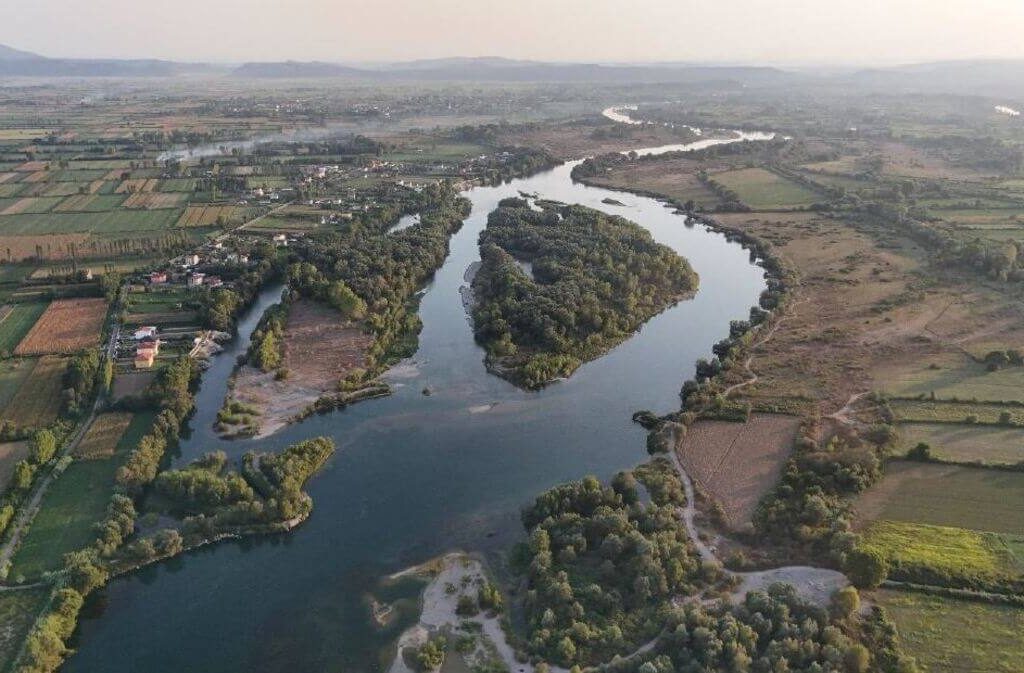
© Toni Canaj / Pexel
Where water meets life: A Vision for restoring Lake Skadar
10 June 2026
By Ledi Selgjekaj, PPNEA
Lake Skadar, shared between Albania and Montenegro, is one of the most important wetlands in the Mediterranean. Designated as a Ramsar Site and a transboundary protected area, the lake covers nearly 49,600 hectares, making it the largest lake in the Balkans and one of the most significant freshwater ecosystems in Europe.
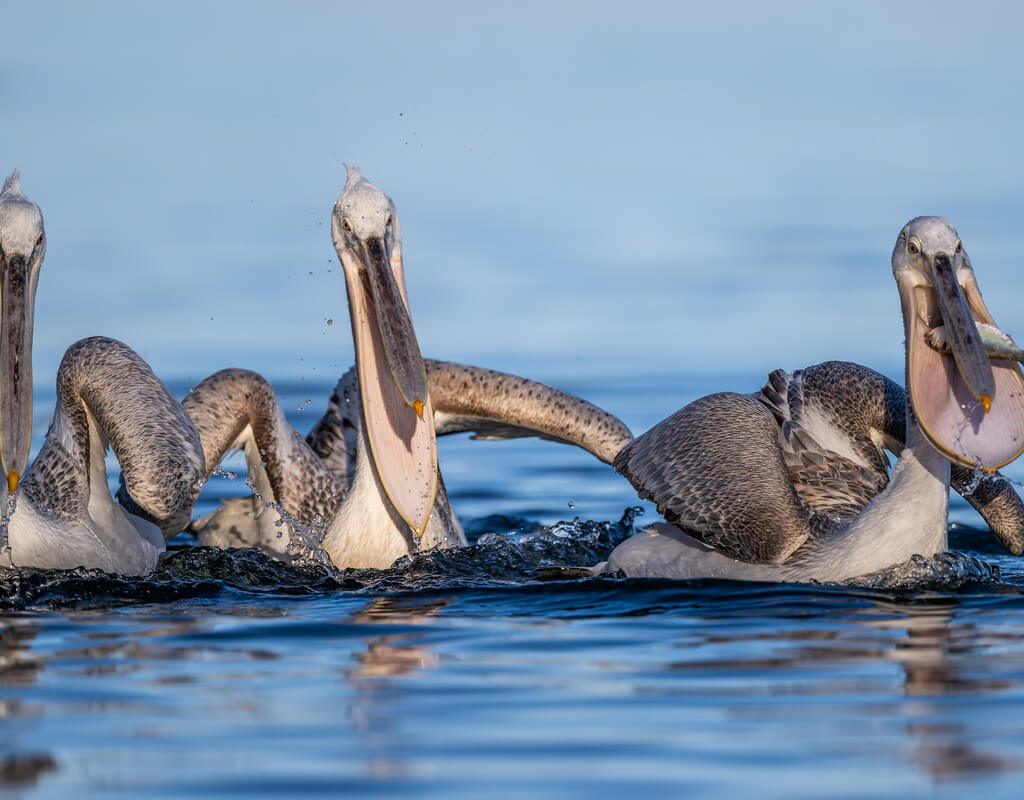
Positioned at the crossroads of major bird migration routes between Central Europe and Africa, it serves as a critical stopover and wintering site for hundreds of thousands of birds each year. It hosts over 280 bird species and 49 fish species, including the iconic Dalmatian Pelican, the Whiskered Tern, and the critically endangered Adriatic Sturgeon. Its shared governance between two countries also makes it a rare model of transboundary conservation in the Western Balkans.
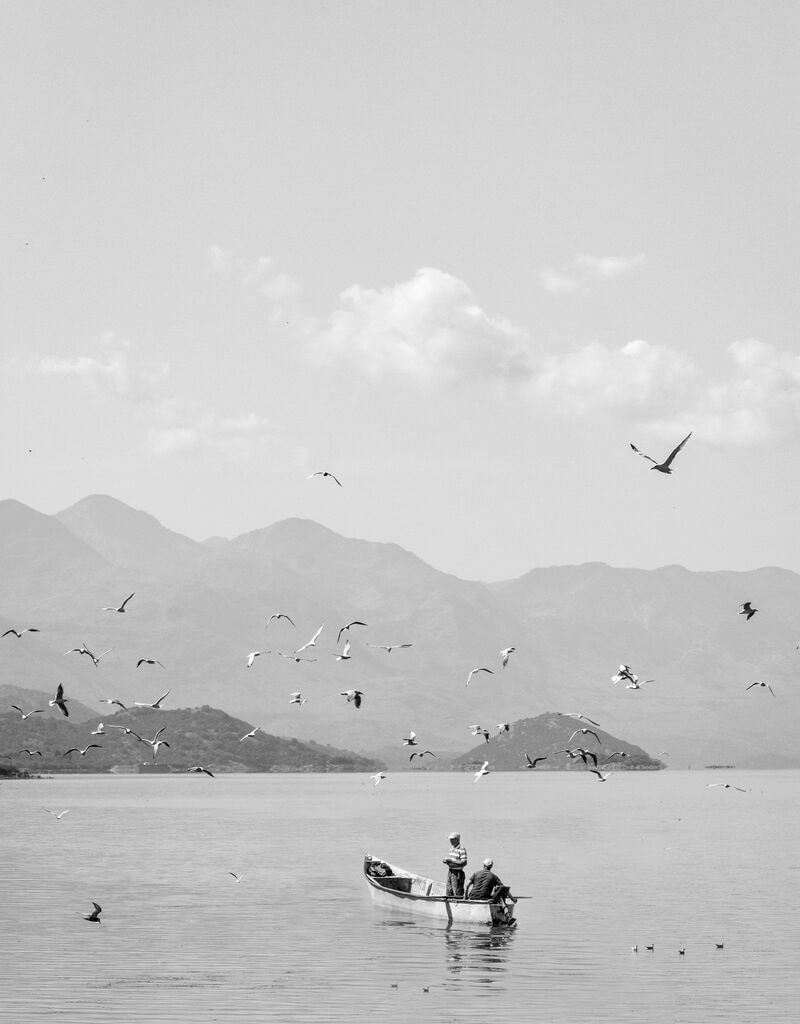
Early in the morning, the lake is often calm, with fishing boats moving across open water and birds active along the reed beds. For many communities around the lake, this landscape is not just a protected area, but part of daily life and livelihood.
“I grew up by the shores of Lake Skadar, surrounded by the vibrant birdlife that made it truly unique. But over the years, its ecosystems have degraded. It’s time to restore what’s lost.” — Ledi Selgjekaj, project coordinator at PPNEA
Over time, however, the ecological condition of the lake has been under increasing pressure. Wetland habitats have been degrading in key areas. Pollution from surrounding catchments affects water quality. Changes in land use are intensifying pressure on natural systems and invasive species are affecting native vegetation and ecosystem balance. These pressures stem from decades of deforestation, agricultural land reclamation, the construction of dams and hydropower plants blocking fish migration routes, wildfires, erosion, and growing urbanisation along the shoreline. These changes are increasingly visible in how the lake is used and experienced. Fishing patterns are shifting, some bird populations are under threat, particularly the Adriatic Sturgeon and the European Eel, whose migration is disrupted by hydraulic infrastructure, and certain wetland areas are no longer functioning as they once did.
“Restoring what has been lost means bringing back forests, reviving wet meadows, restoring marshlands, and protecting the key species that make this ecosystem so exceptional. It means rebuilding this vital corridor between the Accursed Mountains and the Adriatic Sea — for nature and for the communities whose lives depend on it. ” adds Ledi Selgjekaj
In response to these challenges, a restoration initiative for Lake Skadar is being developed by PPNEA together with partners including BirdLife International, with the support of the Sigrid Rausing Trust.
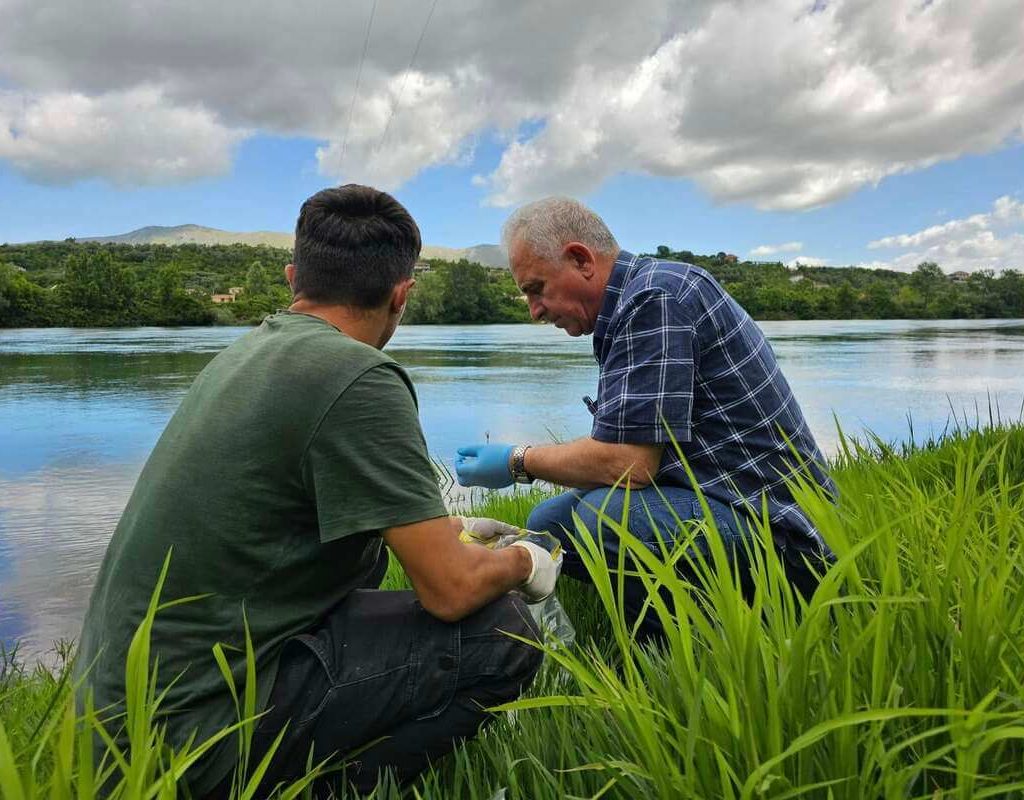
The approach focuses on practical restoration actions across the landscape, with clear and measurable goals:
- Restore 2,000 hectares of forests and wet meadows along the northern shores of the lake to reduce agricultural runoff and improve water quality
- Seed and plant 1,000 hectares of the Tarabosh slopes to significantly reduce the risk of wildfires and erosion
- Restore 120 hectares of marshland along the Buna River to boost the lake’s capacity to support wildlife
- Implement organic farming practices and reduce fertiliser use on at least 100 hectares of agricultural land
- Identify and remove barriers disrupting sturgeon migration, with a view to supporting the reintroduction of this critically endangered species
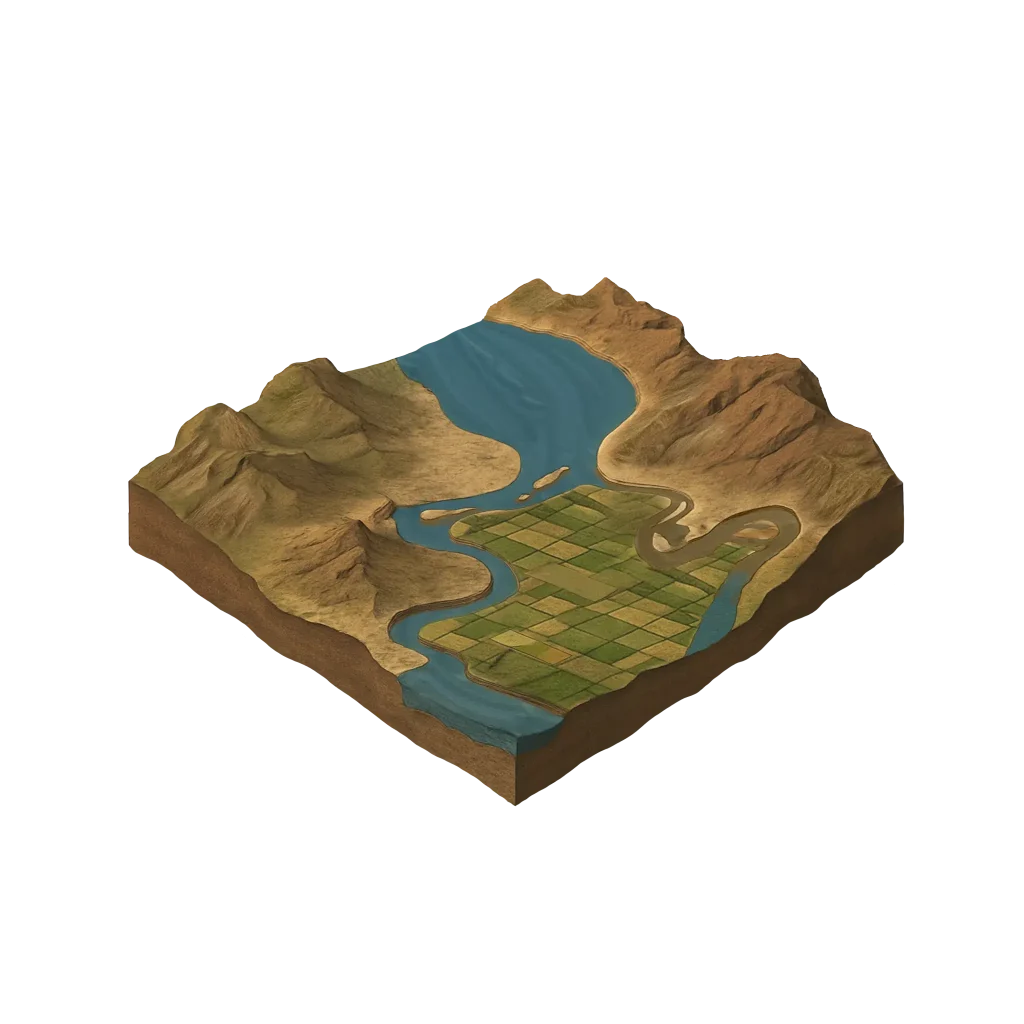
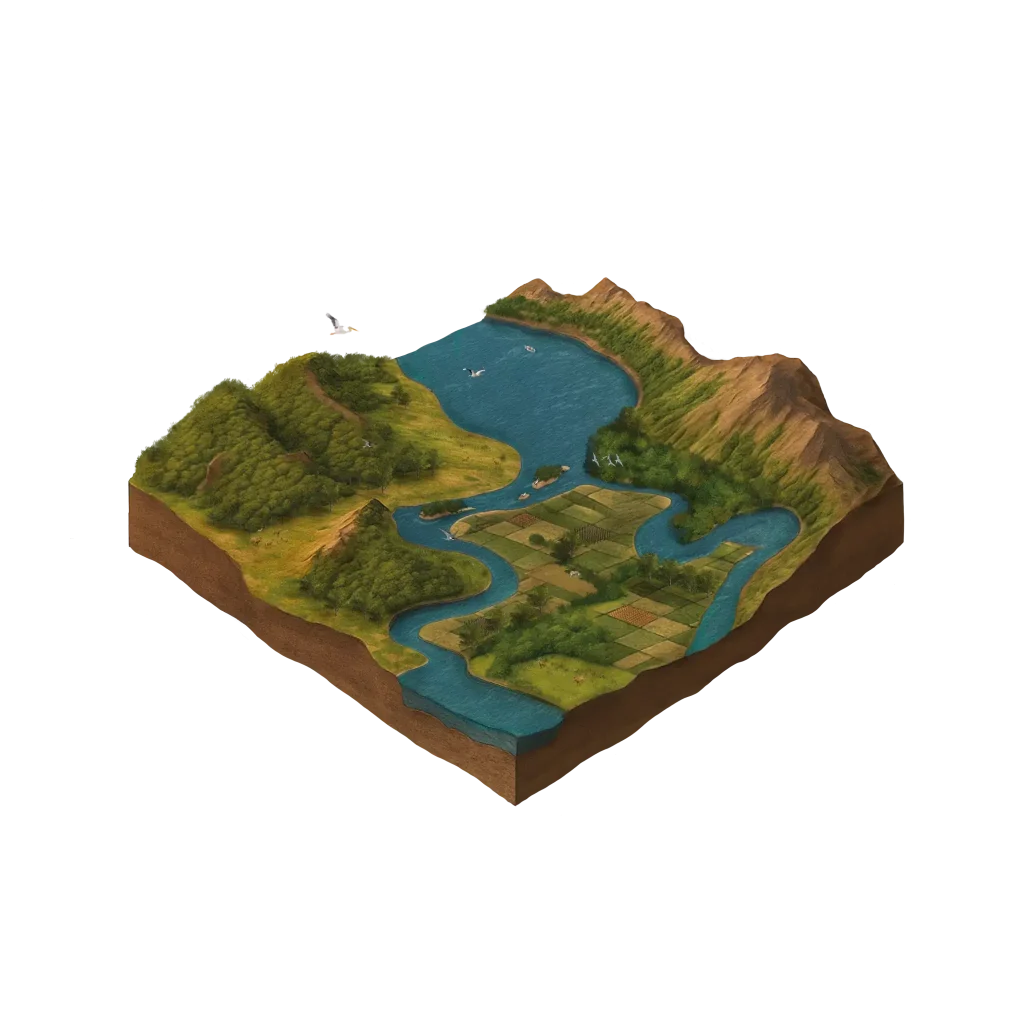
Alongside ecological restoration, the initiative also focuses on the human dimension of the lake. It aims to support more sustainable fishing and agricultural practices and to work directly with local communities who depend on the lake’s resources. Strengthening local participation in management and conservation is central to ensuring long-term impact.
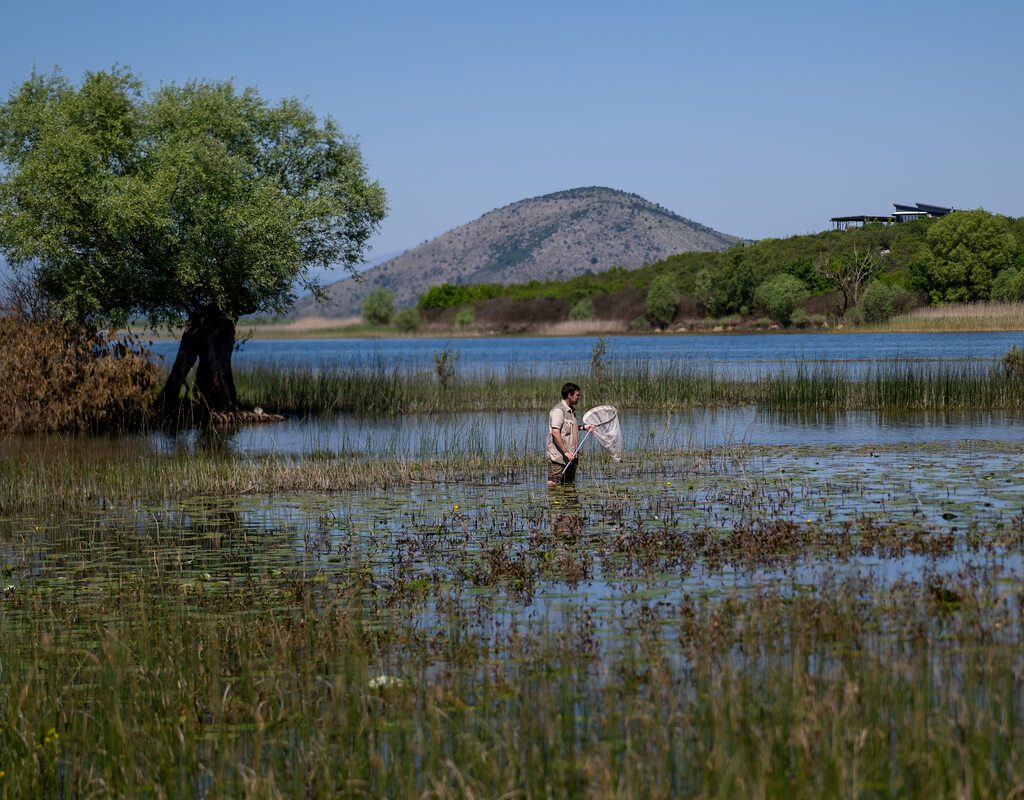
Lake Skadar remains a shared ecosystem across borders, and the initiative is built on coordination between countries and institutions, Albania and Montenegro.
Looking ahead, Lake Skadar and its surroundings are envisioned as a vibrant natural corridor between the Albanian Alps and the Adriatic Sea: rivers flowing freely, restored forests and wetlands, thriving traditional fisheries, and climate-adaptive agriculture. A living proof that nature and people can flourish together.
Restoring Lake Skadar means restoring a living corridor that sustains biodiversity, supports livelihoods, and strengthens resilience across the region.
For more information about the project: https://www.birdlife.org/landscape-nature-restoration/lake-skadar/